Artificial Intelligence (AI) Course in Bangalore
Live Online Training by a Google Certified AI Trainer · Python → GenAI → Agentic AI → MLOps · Small Batches of 10 · Placement Support for Koramangala, Whitefield & ORR
Shifttotech Academy · Artificial Intelligence Course in Bangalore · Trainer: Google Certified · Hands-on experience building & deploying real AI models · Live Online · Weekend & Weekday Batches
Bangalore — officially Bengaluru — is not just India's Silicon Valley. It is India's undisputed capital for Artificial Intelligence and Machine Learning careers in 2026. The city accounts for 40% of all AI job openings in India, pays the highest AI salaries in the country, houses India's most active GenAI startup ecosystem, and is home to the Indian offices of every major global AI company: Google, Microsoft, Amazon, Apple, and Meta.
According to LinkedIn and Glassdoor (February 2026), the city has 20,000+ active AI job openings — more than Hyderabad, Pune, Mumbai, and Chennai combined. The right artificial intelligence course in Bangalore is your fastest path to these opportunities.
AI Market Numbers for 2026
Why This City Is India's AI Capital — And Will Stay That Way
1. India's GenAI Sovereign Stack is Built Here. Sarvam AI — India's government-selected LLM company — launched Sarvam-105B (India's most advanced model) in February 2026. Krutrim (India's first AI unicorn) is headquartered in Bengaluru. ObserveAI, Yellow.ai, MathCo, Fractal Analytics — all based in the tech hub.
2. Every Global AI Company Has Its India Engineering Centre Here. Google's India AI research, Microsoft's Azure AI India, Amazon's science team, Apple's Siri India, Meta's AI lab India — all in the city. This means you can move between global product work and Indian startup innovation without relocating.
3. The Startup-to-IPO Ecosystem is Unmatched. Swiggy ($12B IPO, 2024), PhonePe, Zerodha, Razorpay, CRED, Groww — all locally headquartered unicorns with large AI teams offering the fastest career growth and stock options.
Why Learn from Shifttotech — Not a Generic Platform?
- Google Certified trainer with hands-on AI model building & deployment experience — real ML pipelines, the same patterns used by top MNC GCCs
- Hands-on with LLM fine-tuning, RAG architectures, and cloud MLOps on AWS — exactly what leading GenAI companies interview for
- Maximum 10 students per batch — individual attention vs Simplilearn/UpGrad's 80+ cohorts
- Evenings and weekends — zero disruption to your current Whitefield or ORR job
- Curriculum updated every quarter reflecting what top companies actually test in 2026 — LangChain, Agentic AI, LlamaIndex, MLflow
AI Engineer Salary – 2026
Highest-paying AI city in India by a significant margin — based on Glassdoor (February 2026)
| Role / Experience | Salary Range |
|---|---|
| Entry-Level AI Engineer (0–2 yrs) | ₹8 – 12 LPA |
| Machine Learning Engineer (3–5 yrs) | ₹14 – 22 LPA |
| Senior ML / AI Engineer (5–8 yrs) | ₹20 – 35 LPA |
| GenAI / LLM Engineer (any level) | ₹18 – 42 LPA |
| MLOps / AI Platform Engineer (3–7 yrs) | ₹14 – 28 LPA |
| AI Architect / Principal (8+ yrs) | ₹35 – 60+ LPA |
Course ROI
Moving from ₹9 LPA (IT services developer, 3 years) to ₹22 LPA (ML Engineer at a top startup) = ₹1,08,000/month more. Course fee recovered in under 2 weeks of the salary difference.
AI Job Market – 2026
20,000+ active openings — larger than the next 3 Indian cities combined
Outer Ring Road (ORR)
Google India, Microsoft India R&D, Amazon Science, Goldman Sachs GCC, JPMorgan GCC, PayPal India ML, Uber India AI
Whitefield — ITPL & Bagmane
IBM Research India, SAP India Labs, Oracle India, Bosch India AI, Airbus India, Disney+ Hotstar Engineering
Koramangala & HSR Layout
Swiggy AI, PhonePe ML, Zerodha, CRED, Sarvam AI, Krutrim, ObserveAI, Yellow.ai, 500+ funded AI startups
Electronic City — Phase 1 & 2
Infosys HQ & AI Research, Wipro AI (HOLMES), HCL Technologies, TCS Bangalore, Siemens India Engineering
Manyata Tech Park (Hebbal)
Accenture AI GCC, Cisco Systems India, Shell India, Flipkart Data Science, EY GDS, Deloitte Analytics
Sarjapur Road & Bellandur
Razorpay, Groww, Meesho, Navi Technologies, Ola AI, MathCo, DataRobot India
Indiranagar & Domlur
Mu Sigma Decision Sciences, Fractal Analytics India, InMobi (programmatic AI), Aindra Systems (computer vision)
Hebbal & Bellary Road
AstraZeneca India AI, Biocon Biologics AI, NetApp India, ABB India Tech, Robert Bosch Centre (IISc)
FAANG & Global Tech Giants: Google (AI Research + Products), Microsoft (Azure AI + GitHub Copilot India), Amazon (Science + Alexa India), Apple (Siri India), Meta AI India, Salesforce Einstein India, Adobe India
India's GenAI Unicorns: Sarvam AI (sovereign LLM), Krutrim (India's first AI unicorn), ObserveAI ($214M funded), Yellow.ai ($102M funded), Fractal Analytics, MathCo
Indian Unicorns & Product: Swiggy, PhonePe, Zerodha, Razorpay, CRED, Groww, Meesho, Flipkart, Ola, InMobi
The Startup-to-FAANG Pipeline — A Unique Local Advantage
The tech hub is the only Indian city where a single career can go: IT services (Infosys, TCS) → mid-size product (MathCo, Fractal) → unicorn (Zerodha, PhonePe) → FAANG (Google, Amazon) — without relocating. This layered opportunity stack means every level of AI professional has clear stepping stones. No other Indian city has this density and diversity of AI employers at every career stage.
Why Online Training Beats the Daily Commute
The ORR stretch between Silk Board and Hebbal is consistently ranked among India's worst commutes. Save that time for actually learning.
| Route | Weekly Hours Lost |
|---|---|
| Whitefield → Koramangala | 12–18 hrs |
| Electronic City → HSR Layout | 10–15 hrs |
| Manyata Tech Park → Indiranagar | 10–13 hrs |
| Sarjapur → Marathahalli | 7–12 hrs |
| Online Training (from home) | 0 hrs wasted |
All Areas We Serve
AI Curriculum — Built for Top Local Employers
16–18 weeks covering what Google, Swiggy, Sarvam AI, and Razorpay actually test for in 2026 interviews
Python, Math, Statistics & Data Engineering
Python for data science — NumPy, Pandas, Matplotlib, Seaborn, Scipy. Essential math: Linear algebra, calculus intuition, probability, Bayes theorem, hypothesis testing. Statistical inference, A/B testing. Data cleaning, feature engineering, handling missing data. SQL for data engineering — joins, window functions, CTEs. Git for ML projects — branching, experiment tracking.
Machine Learning — Full Algorithm Mastery
Supervised learning: Linear/Logistic Regression, Decision Trees, Random Forest, Gradient Boosting (XGBoost, LightGBM, CatBoost), SVM. Unsupervised learning: K-Means, DBSCAN, PCA, t-SNE, UMAP. Model selection: ROC-AUC, cross-validation, bias-variance tradeoff. Hyperparameter tuning: Optuna (Bayesian optimisation). End-to-end ML project with FastAPI deployment. Kaggle competition workflow.
Neural Networks, Transformers & Foundation Models
Neural networks from scratch — backpropagation, activation functions. CNN architectures: ResNet, EfficientNet, ViT — classification, object detection (YOLO v8), segmentation. RNN/LSTM for time-series. Transformer architecture in full depth — multi-head attention, positional encoding. BERT, RoBERTa, T5 fine-tuning for NLP tasks. HuggingFace Transformers ecosystem — model hub, tokenizers, Trainer API.
LLMs, GenAI, RAG Systems & Agentic AI — The #1 Hiring Focus
LLM deep dive: GPT-4o, Claude 3.5, Gemini 1.5, Llama 3, Mistral — architecture comparisons. Fine-tuning: LoRA, QLoRA, PEFT, instruction tuning. Retrieval-Augmented Generation (RAG): chunking, embedding models, vector databases (Pinecone, FAISS, ChromaDB, Weaviate), hybrid search. LangChain and LlamaIndex: chains, agents, memory, tools. Prompt engineering mastery: few-shot, chain-of-thought, constitutional AI. Agentic AI: multi-agent frameworks, LangGraph, AutoGen. LLM evaluation: RAGAS, TruLens.
Production ML — From Notebook to Enterprise Scale
MLOps maturity model. Experiment tracking and model registry with MLflow. Data versioning with DVC. Feature stores: Feast concepts. Model deployment: REST APIs, batch inference, streaming inference. AWS SageMaker: training, endpoints, pipelines, model monitoring. Docker for ML, multi-stage builds. Kubernetes for ML workloads — HPA, GPU scheduling. CI/CD for ML with GitHub Actions + DVC. Model monitoring: Prometheus, Grafana, Evidently AI. Kubeflow Pipelines. GitOps with ArgoCD. 4 capstone projects + 6 mock interviews targeting Bangalore companies.
Complete Tool Stack
Who Should Join This AI Course?
Software developers at TCS, Infosys, Wipro Electronic City
Transition into AI and increase salary by 50–80%
Data analysts at GCCs and consulting firms
Upgrade from Excel/BI to production ML models — 50%+ pay increase
DevOps engineers across all tech zones
Add MLOps skills — the highest-paying intersection of AI and infrastructure
QA and automation engineers
Transition into AI Testing/AI QA — ₹12–22 LPA locally
Freshers from engineering colleges
Build production-grade AI portfolio to stand out at Swiggy, Razorpay, Sarvam AI
Working professionals across all city zones
Upskill with live sessions — no ORR or Whitefield traffic required
AI Career Growth Path
Junior AI Engineer · ₹8–12 LPA
Data pipelines, model training support, basic Python. Typical employers: TCS Electronic City, Infosys Nia, Wipro HOLMES, Cognizant AI Practice.
ML Engineer / Data Scientist · ₹14–22 LPA
End-to-end ML development, NLP/CV specialisation, production deployments. Typical employers: Swiggy, PhonePe, Zerodha, Freshworks, Razorpay.
Senior ML / GenAI Engineer · ₹22–35 LPA
LLM fine-tuning, RAG systems, Agentic AI, platform ownership. Typical employers: Google India, Microsoft India, Sarvam AI, Krutrim, CRED.
AI Architect / Principal · ₹35–60+ LPA
Enterprise AI strategy, multi-model architectures, team leadership. FAANG India offices offer total comp of ₹80–150 LPA with stock options.
Not Ready Yet? What to Do First
This section is more honest than anything an institute will tell you. Two groups who should prepare before enrolling:
Wait and prepare first if...
No programming background at all
Spend 6 weeks on Python first — Kaggle Python course or python.org tutorial. Then enrol.
Expecting a course to replace portfolio work
Courses build knowledge. Portfolios build careers. You need both — the course is the starting point, not the finish line.
Evaluating purely on fee (cheapest option)
A ₹35,000 course missing GenAI/MLOps/deployment will cost you more in opportunity cost than you saved on fees.
Cannot commit 15+ hours/week
Engineers who study 4–5 hrs/week take 12+ months to get job-ready. 15+ hrs/week gets you there in 20–24 weeks.
Enrol now if...
Basic programming familiarity (any language)
You understand loops, functions, and data structures. Python basics can be covered in the first 2 weeks.
Software / DevOps / data analyst with 1+ yr experience
This is the highest-ROI use case. You already understand production systems — you just need the AI skill layer on top.
Targeting ₹14–25 LPA at product companies
The salary jump from ₹7–12 LPA (current) justifies a ₹40–60K course within 12–18 months of completing it.
Willing to commit 15–20 hrs/week
Full commitment at this level = job-ready in 20–24 weeks from a software engineering background.
5 Types of AI Courses in Bangalore — Which Fits You?
Not all formats are equal. The right choice depends on your background, career goal, and learning style.
Coursera, upGrad, Scaler, Great Learning
₹60,000 – ₹3 lakhs
6–12 months
Best for: Self-disciplined learners who want an IIT/IIIT brand for enterprise hiring credibility.
Honest limit: Batch sizes of 200+ means zero personalised mentorship. Placement support is often job alerts, not genuine referrals. You get out what you put in.
FITA, ExcelR, Cambridge Infotech
₹40,000 – ₹1.2 lakhs
3–6 months
Best for: Freshers who learn better in person and want to physically be in Bangalore's tech ecosystem.
Honest limit: Curriculum update speed is slow. Many still teach TensorFlow 1.x, not covering LangChain, RAG, or MLOps at 2026 depth. Always verify the current syllabus date.
BEPEC, LogicMojo
₹80,000 – ₹1.5 lakhs
4–6 months
Best for: Working professionals or freshers who need a structured, output-focused, fast-paced experience.
Honest limit: Intensity is 15–20 hrs/week. Dropout rate is real if you cannot commit alongside a job. Verify trainer credentials and actual placement outcomes (check LinkedIn alumni) before paying.
IIIT Bangalore, IIT Madras via ExcelR
₹1.5 – ₹3 lakhs
9–18 months
Best for: Mid-career professionals targeting corporate AI roles where institutional brand value matters.
Honest limit: Academic pace means cutting-edge tools (LangGraph, Agentic AI, LLMOps) may lag industry by 12–18 months. Brand compensates for this in large enterprise hiring — but AI startups value GitHub portfolio over university name.
Shifttotech Academy (max 10 students)
₹38,000 – ₹55,000
20 weeks
Best for: Working professionals making a career switch who need genuine mentorship, not a recorded video library. Also ideal for people who have stalled on self-study.
Honest limit: Less name recognition than IIT programmes. The differentiator is outcomes and depth of mentorship, not brand. Verify trainer backgrounds and ask for alumni LinkedIn profiles before deciding.
How to Choose the Right AI Training
Eight signals that tell you a program is not worth your money — and what to look for instead.
8 Red Flags to Avoid
Curriculum last updated before 2025
If the syllabus doesn't mention LangChain, RAG, or MLOps as substantial modules — skip it.
Trainer with no production AI experience
Ask for their LinkedIn. Look for actual production AI work, not just teaching experience.
"100% placement guarantee" with no verifiable data
Ask for 3 LinkedIn profiles of recent graduates who got Bangalore AI roles. Legitimate programs answer immediately.
Only notebook-based projects
The standard at product companies is a deployed GitHub repo. .ipynb files don't impress Flipkart or Swiggy hiring managers.
MLOps completely absent
A course that trains you to build models but not deploy/monitor them is training you for research, not production.
No GenAI, LLMs, or RAG
These are mainstream 2026 hiring content in Bangalore — not optional advanced modules.
Batch sizes above 30 for live sessions
Above 30 students, meaningful Q&A becomes impossible. It's effectively a recorded lecture with a chat box.
No Bangalore-specific interview prep
Generic "interview prep" ≠ ML system design practice for Flipkart, Swiggy, PhonePe, or Google India rounds.
Look for These
- Live instructor with MNC production AI + MLOps background
- GenAI + LLM + RAG + Agentic AI curriculum — updated quarterly
- Small batches — Max 10 students
- Evenings & weekends — no disruption to your current job
- Minimum 4 end-to-end real projects with deployed GitHub repos
- Targeted interview prep for top local employers (ML system design for product companies)
5 Questions to Ask Before You Pay a Single Rupee
Ask these at your demo class. The answers tell you more than any marketing material.
Q1: "When did you last update your curriculum — and what specifically changed?"
Good answer
We added RAG in [month], LangGraph in [month], Agentic AI evaluation frameworks this quarter.
Red flag answer
"We keep our curriculum updated regularly" — with zero specifics.
Q2: "Can you connect me with 3 graduates from the last 6 months who got AI roles in Bangalore?"
Good answer
Immediate LinkedIn profiles shared.
Red flag answer
"Our placement team will follow up" or "We have testimonials on our website."
Q3: "What are the deployed projects your recent batch produced? Can I see a GitHub link?"
Good answer
Live GitHub repo with a deployed RAG app at a URL, MLOps pipeline with CI/CD logs.
Red flag answer
"Students build 10+ projects" — with no way to verify deployment or depth.
Q4: "What does your trainer's most recent production AI work look like?"
Good answer
Specific project, company type, tech stack. Bonus: LinkedIn showing AI engineering at a known company.
Red flag answer
"Our trainers have X years of experience in IT."
Q5: "What specific ML system design content is in your curriculum, and how is it taught?"
Good answer
3 dedicated sessions on Bangalore-specific design problems — recommendation systems, real-time fraud detection, LLM serving at scale. Students whiteboard solutions and receive critique.
Red flag answer
Silence — or "we cover all aspects of AI engineering."
The Bangalore AI Career Timeline — What Happens After the Course
A common mistake is treating course completion as the career transition point. It is not — it is the knowledge acquisition point. Here is the realistic timeline for a software engineering background.
Weeks 1–20
Structured Training
Python, ML, deep learning, GenAI, MLOps — live sessions, assignments, real-time Q&A. Attend every session. Ask questions when stuck.
Weeks 18–24
Build 3 Portfolio Projects
Build overlapping with course end: a RAG application, an end-to-end ML pipeline with MLflow, and one Bangalore-market-specific project (recommendation system or fraud detection). Deploy all three. Make them public on GitHub with documentation.
Weeks 22–28
Apply Aggressively
Apply to 80–100 Bangalore AI roles. Target both product companies and IT services AI teams. Use IT services offers as negotiating leverage for product company conversations.
Weeks 24–32
ML System Design Prep
Focus heavily on ML system design for Bangalore interviews. Practice whiteboarding the architecture of a recommendation system, a real-time fraud detection pipeline, and a RAG system under production constraints.
Weeks 28–36
First Offer
For most career-switchers with a strong foundation and good portfolio, the realistic window from starting a well-structured course to receiving a Bangalore AI role offer is 8–12 months of serious effort. This is longer than most course marketing will tell you — and it is the honest timeline.
Real Students, Real AI Careers
“Best investment I made for my career. The AI program curriculum is up-to-date with LLMs and GenAI — not the outdated stuff other institutes teach. Got an offer of ₹12 LPA fresh out of the program at HCL Tech. The small batch size meant I could ask every question.”
“Coming from a non-tech background, I was nervous. The step-by-step AI curriculum and the supportive batch community made it manageable. The trainer's real-project approach built my confidence steadily. Landed a job at Accenture in the AI team — something I could never have imagined a year ago.”
Shifttotech vs Other AI Courses in Bangalore
Before choosing any artificial intelligence course, put every institute side by side on the things that actually decide your outcome — fee, batch size, syllabus currency, and what the placement promise says in writing.
| Shifttotech | Simplilearn | GUVI (HCL) | Typical Bangalore institute | |
|---|---|---|---|---|
| Course fee | ₹35,000 — published openly | ₹1,40,000 (Applied GenAI program) | EMI-only pricing (~₹11,500/month), full fee not published | ₹40,000–₹1,50,000, often shared only on a callback |
| Batch size | Max 10 students | Large cohorts | Large cohorts | 30–100+ students |
| Format | 100% live online classes | Mix of recorded + live sessions | Recorded lessons + mentor support | Varies; often recorded |
| 2026 GenAI syllabus | GenAI, LLMs, RAG + LangChain, AI agents, fine-tuning, MLOps | Yes — GenAI focused | Yes — AI/ML with GenAI modules | Frequently classical ML only |
| Placement terms | Written terms + money-back job guarantee | JobAssist (no guarantee) | Placement support (qualitative) | Verbal "100% placement" claims |
| Fee transparency | Full fee on the website | Published | EMI figure only | Usually hidden behind a form |
Competitor details taken from their public course pages as of July 2026 — always verify current terms directly.
What is the Fee of an AI Course in Bangalore?
Our AI course fee is ₹35,000 — stated openly, with EMI options and no hidden charges. For comparison, an artificial intelligence course in Bangalore at big-brand bootcamps typically costs ₹80,000 to ₹1,40,000, and many institutes hide the figure behind a "request callback" form. We publish it because fee transparency is the first trust test of any training institute.
The fee includes the full live curriculum (Python → Machine Learning → Deep Learning → GenAI → MLOps), all portfolio projects, interview preparation, and placement support — there is no separate "placement fee".
How Long is the AI Course? (Duration & Schedule)
The course runs 16–20 weeks part-time — roughly 10–15 focused hours a week — so working professionals in Bangalore can complete it without quitting their job. Both weekend and weekday evening batches are available, all live online with a maximum of 10 students per batch. Expect to spend the final weeks on your capstone project and interview preparation.
Can a Non-IT Person Join This AI Course in Bangalore?
Yes. The course starts with a Python-from-scratch phase, so no prior programming experience is required — commerce graduates, mechanical engineers, testers, and support engineers regularly make this switch. You do not need advanced mathematics either: school-level algebra and logical thinking are enough to begin, and the maths behind ML is taught inside the course exactly where you need it.
AI Course in Bangalore for Freshers & After Graduation
For freshers, the biggest hiring barrier in Bangalore is not the degree — it is the absence of proof. This course is built around that gap: you graduate with deployed portfolio projects (not just certificates), a GitHub profile interviewers can open, and mock interviews calibrated to what Bangalore companies actually ask. Freshers from engineering backgrounds typically land ₹8–12 LPA in their first AI role.
Is a Free AI Course Enough to Get a Job in Bangalore?
Free courses (government programs like YUVA AI, YouTube playlists, free Coursera audits) are genuinely good for AI literacy — and we recommend starting with them if you are unsure about the field. But hiring managers in Bangalore shortlist candidates on deployed projects, live-coding ability, and interview performance — things a self-paced free course cannot give you. The practical path most of our placed students took: use free content to confirm interest, then join a structured, mentored program to become job-ready.
Salary After an AI Course in Bangalore
Bangalore currently has 20,000+ active AI job openings — about 40% of all AI jobs in India. The average AI/ML engineer here earns ₹14 LPA. Typical outcomes after this course: freshers and early-career switchers start at ₹8–12 LPA, engineers with 3+ years of prior experience move into ML/GenAI roles at higher bands, and senior GenAI/MLOps specialists in Bangalore earn ₹25–60 LPA. Hiring is concentrated around Koramangala, Whitefield, Outer Ring Road and Electronic City.
Which AI Course is Best in Bangalore?
Whichever institute you choose, evaluate every artificial intelligence course in Bangalore against this checklist:
- Live training, not recorded videos with a "doubt session"
- Small batches (10 or fewer) — in 100-student batches you will never get interview-level attention
- A 2026-current syllabus: GenAI, LLMs, RAG and MLOps — not just classical ML from 2019
- Placement terms in writing — ask exactly what "100% placement" means before paying
- A published fee — institutes that hide pricing usually quote by how much they think you can pay
Our course is built to pass every point on that list — and we encourage you to compare us on it during the free demo class.
Which Artificial Intelligence Course in Bangalore Offers Placement Support?
This one — and the terms are specific, not vague: resume rebuilding, unlimited mock interviews, and direct referrals to companies hiring AI talent in Bangalore (Koramangala, Whitefield, Outer Ring Road and Electronic City), included in the fee at no extra cost and backed by our money-back job guarantee. Over 200 professionals have trained with us so far, and 100+ have moved into new roles. Ask any institute you compare us with to put their placement terms in writing the way we just did.
Artificial Intelligence Course in Bangalore: Questions Answered
Q: Does this AI course in Bangalore include placement support?
Yes. This is an AI course in Bangalore with placement support included at no extra cost — resume building, mock interviews, and direct referrals to companies actively hiring AI talent in Bangalore. It is backed by our 100% money-back job guarantee, and Over 200 professionals have trained with us so far, and 100+ have moved into new roles — a complete artificial intelligence course in Bangalore with placement support.
Q: What is the average AI salary for 2026?
According to Glassdoor (February 2026), the average ML Engineer salary here is ₹14 LPA, with top earners reaching ₹35+ LPA. GenAI/LLM specialists earn ₹25–60 LPA at senior levels. The city pays 30–40% more than any other Indian city for AI roles — the FAANG presence creates a salary floor that lifts the entire market.
Q: How many AI jobs are available here?
There are 20,000+ active AI and machine learning job openings (LinkedIn, February 2026) — accounting for 40% of India's total. Whitefield, ORR, Koramangala, and Electronic City are the primary hiring corridors. The demand-to-supply ratio nationally is 3.3:1.
Q: Do I need to know coding before joining this AI course?
No prior AI knowledge is required. The course starts from Python fundamentals, assuming only basic computer literacy. Any prior programming background (Java, C++, JavaScript) accelerates your progress. By Week 4 you'll be comfortable with Python data science libraries; by Week 8 you'll be building and deploying real ML models.
Q: Why is this city better than other cities for an AI career?
The local tech ecosystem is unique in having all 5 career ladders simultaneously: IT services entry points (Infosys, TCS), mid-size product companies (Freshworks, MathCo), unicorns (Zerodha, Razorpay, CRED), homegrown GenAI startups (Sarvam AI, Krutrim), and FAANG India offices (Google, Amazon, Microsoft). No other Indian city has this full stack of AI employers at every career level.
Q: How is Shifttotech different from Simplilearn or UpGrad for AI?
Large platforms offer recorded content with batches of 50–200 students. Shifttotech offers live sessions with max 10 students per batch — every student gets direct trainer interaction, personalised project feedback, and targeted interview prep for local top companies. The trainer is Google Certified with hands-on experience building and deploying real AI models — not classroom theory.
Q: I am a DevOps engineer — should I do AI or stay in DevOps?
MLOps is the highest-value transition for a DevOps engineer. MLOps engineers locally earn ₹14–28 LPA at 3–7 years experience. Shifttotech's Phase 5 is dedicated entirely to MLOps (MLflow, Kubeflow, SageMaker, CI/CD for ML, Kubernetes for ML workloads). Your existing infrastructure skills + ML deployment expertise = salaries neither pure DevOps nor pure ML engineers can match.
Q: What salary can I expect after completing this course?
Typical outcomes: Freshers — ₹8–12 LPA at IT services or GCCs. Career switchers with 2+ years experience — ₹12–18 LPA at ML engineer or junior GenAI roles. DevOps engineers transitioning to MLOps — ₹14–22 LPA. Placement support targets the specific companies you want — Koramangala startups, ORR GCCs, or Whitefield product companies.
Q: Are EMI or installment options available for the AI course?
Yes. The course fee is ₹35,000 and can be paid in easy installments — the exact EMI plan is shared on the counselling call before you commit. There is no separate placement fee and no hidden charges: the published fee covers the full live curriculum, all projects, and placement support.
Q: Is there a free demo class before enrolling?
Yes. Every learner in Bangalore can attend a free live demo class before paying anything. You meet the trainer, experience the actual teaching style, ask questions about your background, and only then decide. We recommend comparing 2–3 institutes' demo classes before choosing any AI course.
Q: What happens if I miss a live class?
Every session is recorded, so you get the recording of any class you miss, and because batches are capped at 10 students, the trainer can catch you up in the next doubt-clearing session. Working professionals in Bangalore routinely manage the course alongside demanding jobs this way.
Q: Do I need a powerful laptop for the AI course?
No. Any laptop with 8 GB RAM is enough. All heavy model training runs on cloud notebooks and cloud GPUs (Google Colab / AWS), which is also how real AI teams work — so you learn the industry-standard workflow instead of depending on local hardware.
Q: Will I get a certificate after completing this AI course in Bangalore?
Yes — you receive a course completion certificate from Shifttotech Academy. More importantly, you finish with a portfolio of deployed AI projects on GitHub. In interviews at companies in Bangalore, that portfolio consistently carries more weight than any certificate, which is why the course is built around it.
Q: What projects will I build during the AI course?
You build four real, deployed projects: an end-to-end machine learning model, an NLP/LLM application with a RAG pipeline, a generative AI application deployed to the cloud, and a capstone of your choice. Each one goes on your GitHub profile so interviewers in Bangalore can open and inspect your actual work.
Q: Can final-year students and recent graduates in Bangalore join?
Yes. Final-year students and fresh graduates are a large share of every batch. The course starts with Python from scratch, so there is no prerequisite gap, and the project portfolio you build solves the classic fresher problem in Bangalore — having a degree but no proof of hands-on AI work.
Q: Can I switch to AI from a non-IT role like testing, support, or sales?
Yes — career switchers from testing, technical support, BPO, sales, and even non-engineering backgrounds complete this course successfully. The curriculum assumes zero prior AI knowledge, builds Python first, and the placement team positions your previous domain experience (finance, operations, customer data) as an asset for AI roles in Bangalore, not a liability.
Q: How many students are in each batch — will I get individual attention?
Batches are capped at 10 students. That means the trainer knows your progress personally, reviews your code, and adapts interview preparation to your background — the single biggest practical difference from 100-student webinar-style courses, where individual doubt-solving is impossible.
Q: How does interview preparation work for Bangalore companies?
In the final weeks you get mock technical interviews (ML fundamentals, coding, and project deep-dives), resume and LinkedIn rebuilding, and guidance targeted at the companies actually hiring AI talent in Bangalore. You practise explaining your own deployed projects — the exact conversation that decides real AI interviews.
Start Your AI Career
Live online training targeting Koramangala startups, ORR GCCs, and Whitefield product companies. Max 10 students per batch, evenings & weekends available.
Next batch starts soon · Max 10 seats · Live online · Whitefield, Koramangala, ORR, Electronic City & all areas
Related Resources
Still comparing AI courses in Bangalore?
Sit in on a free live demo class, meet the Google-certified trainer, and see the GenAI + MLOps curriculum before you decide.
Book a Free Demo Class →Free demo every Saturday · Small batches (max 10) · Placement support
Learn from Working Engineers
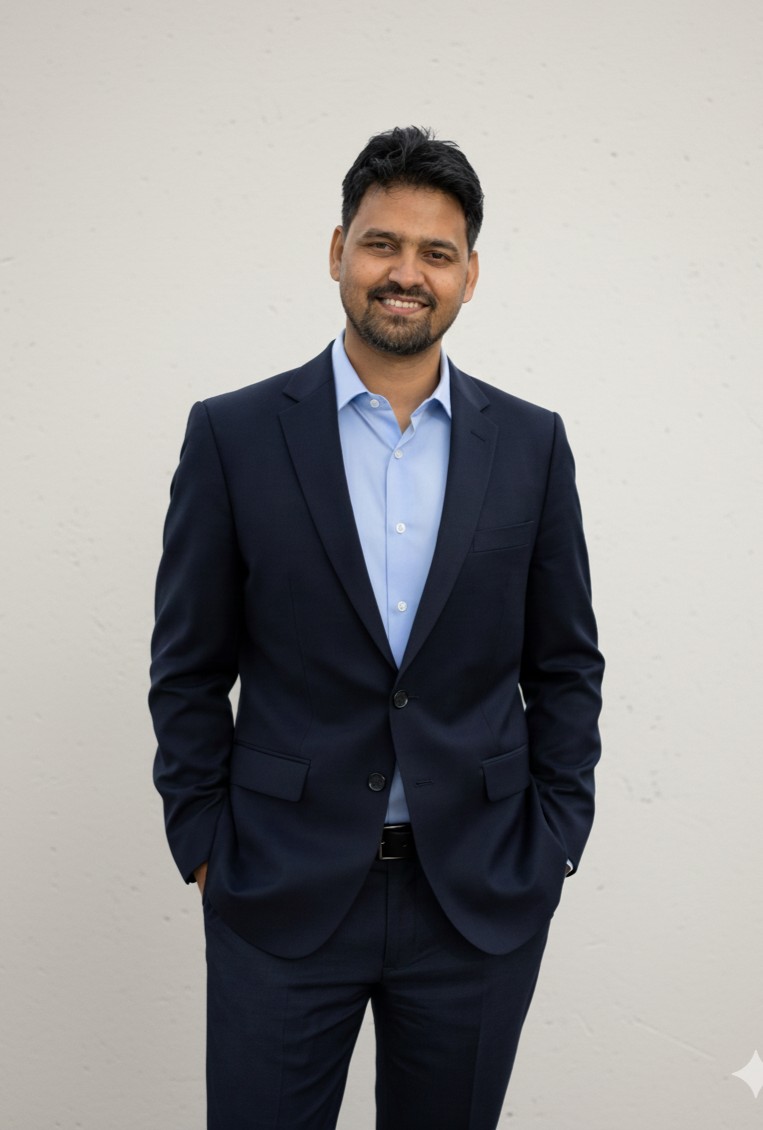
Firoz Ahmed
Senior AWS DevOps Engineer
TCS (Fortune 500) · 8+ Years Experience
Working DevOps engineer — not a "trainer". Daily hands-on with multi-region AWS infrastructure, 38+ Java microservices, EKS, Terraform, ArgoCD & Prometheus in production. Every concept taught is from real systems.
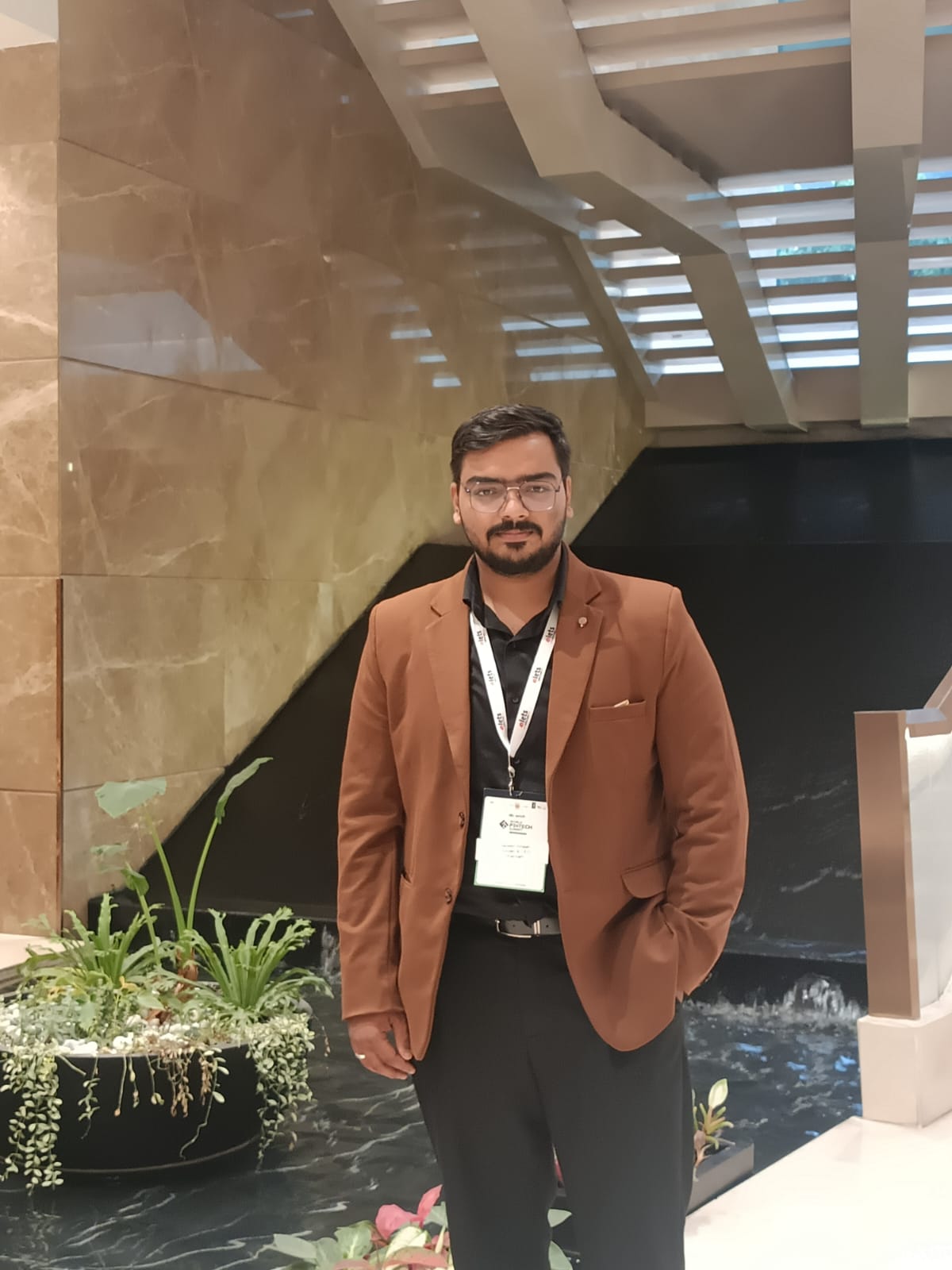
Sayeed Amaan
AI Lead
SophyXis Technologies · 4+ Years Experience
4+ years building intelligent systems using Python, TensorFlow, PyTorch and advanced Deep Learning. Specialises in NLP, Computer Vision and Generative AI — passionate about practical, job-ready AI skills.
Check Your Eligibility for 12-18 LPA Jobs
FREE Career Counselling (Takes 30 Seconds)
Our Students Work At:
Complete AI & Machine Learning Certification Training
Python, Machine Learning, Deep Learning, NLP, LLMs, GenAI, RAG, LangChain, MLOps & more
AI Training in Other Cities
Looking for AI training outside Bangalore? We run the same live, placement-focused program across India:
Also in Bangalore: DevOps Course in Bangalore · Data Engineering Course in Bangalore